The Commanders' Draft Strategy: Unlocking Potential with Versatile Playmakers
The 2026 NFL Draft is just around the corner, and the Washington Commanders are gearing up to make some intriguing moves. With the seventh overall pick, they have a prime opportunity to bolster their roster and address key positions.
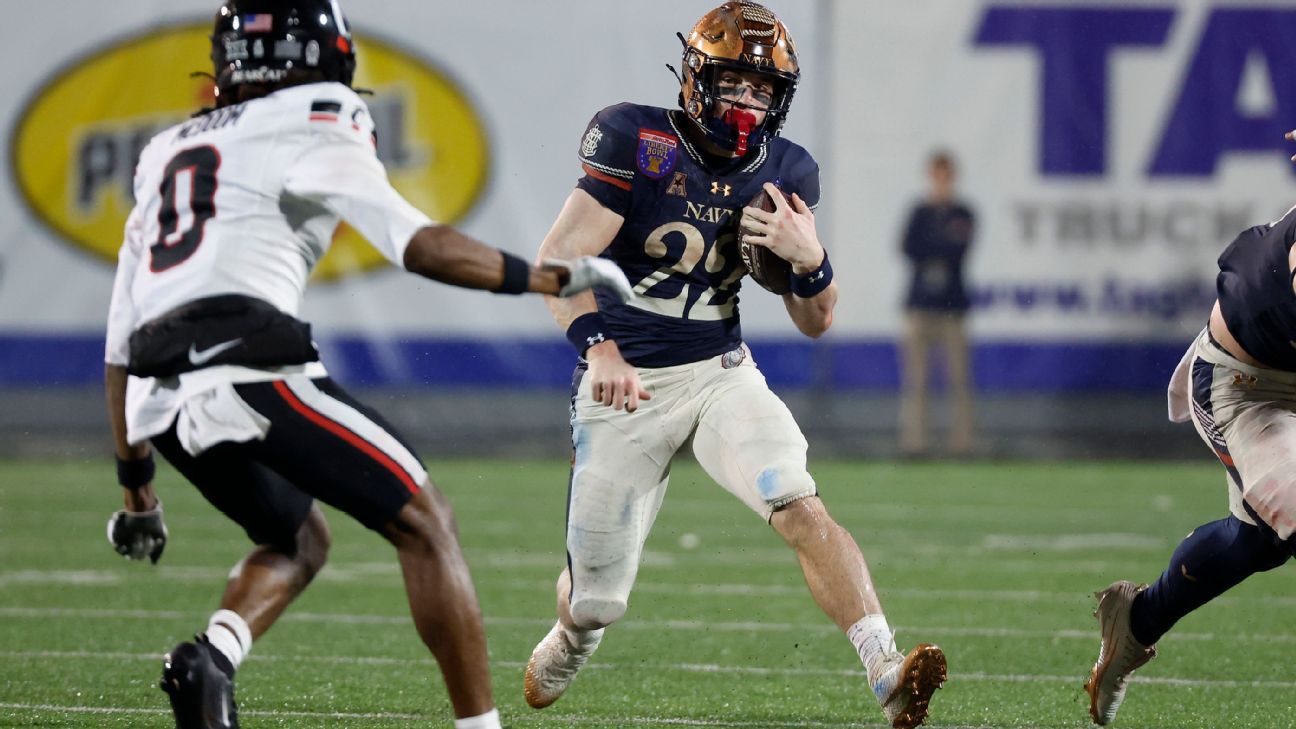
One of the most fascinating developments is the team's interest in Navy receiver Eli Heidenreich. Standing at 6 feet tall and weighing 198 pounds, Heidenreich isn't your typical receiver. What makes him truly captivating is the potential for a versatile role, as some teams envision him as a slot receiver, while others see a Deebo Samuel or Christian McCaffrey-like playmaker. This flexibility is a modern-day necessity in the NFL, where positionless players can create mismatches and headaches for opposing defenses.
Personally, I believe this is a brilliant strategy for the Commanders. In today's NFL, the ability to create mismatches is invaluable. Heidenreich's athleticism, as evidenced by his impressive Relative Athletic Score (RAS), suggests he could be a real asset. The fact that Washington's GM, Adam Peters, has experience with both Samuel and McCaffrey adds an intriguing layer to this narrative. It's almost as if they're seeking a player who can emulate the success of these versatile stars.
What many people don't realize is that the Commanders' draft strategy might be indicative of a broader trend in the league. Teams are increasingly valuing players who can fill multiple roles and create unique challenges for their opponents. It's a shift away from traditional, rigid position assignments towards a more fluid and dynamic approach.
If you take a step back and analyze the Commanders' recent moves, you'll notice a pattern. They seem to be targeting players who can contribute in various ways. This approach could give them an edge, especially in a league where adaptability is becoming a key differentiator.
A detail that I find particularly interesting is the correlation between Peters' previous draft picks and their RAS scores. Five out of six players he drafted in Rounds 4 or lower had an RAS of at least 9.22. This suggests a clear preference for athleticism and potential, which could be a game-changer when utilized correctly.
As we approach the draft, the Commanders' moves will be under the microscope. Will they continue to prioritize versatile talent? How will their draft picks shape the team's future? These are the questions that keep NFL enthusiasts like me up at night. The draft is not just about acquiring players; it's about crafting a vision for the team's identity and strategy.
In my opinion, the Commanders are setting themselves up for an exciting future, one where positionless football and dynamic playmakers reign supreme. This draft could be the catalyst for a new era in Washington, and I can't wait to see how it unfolds.